July 21, 2026
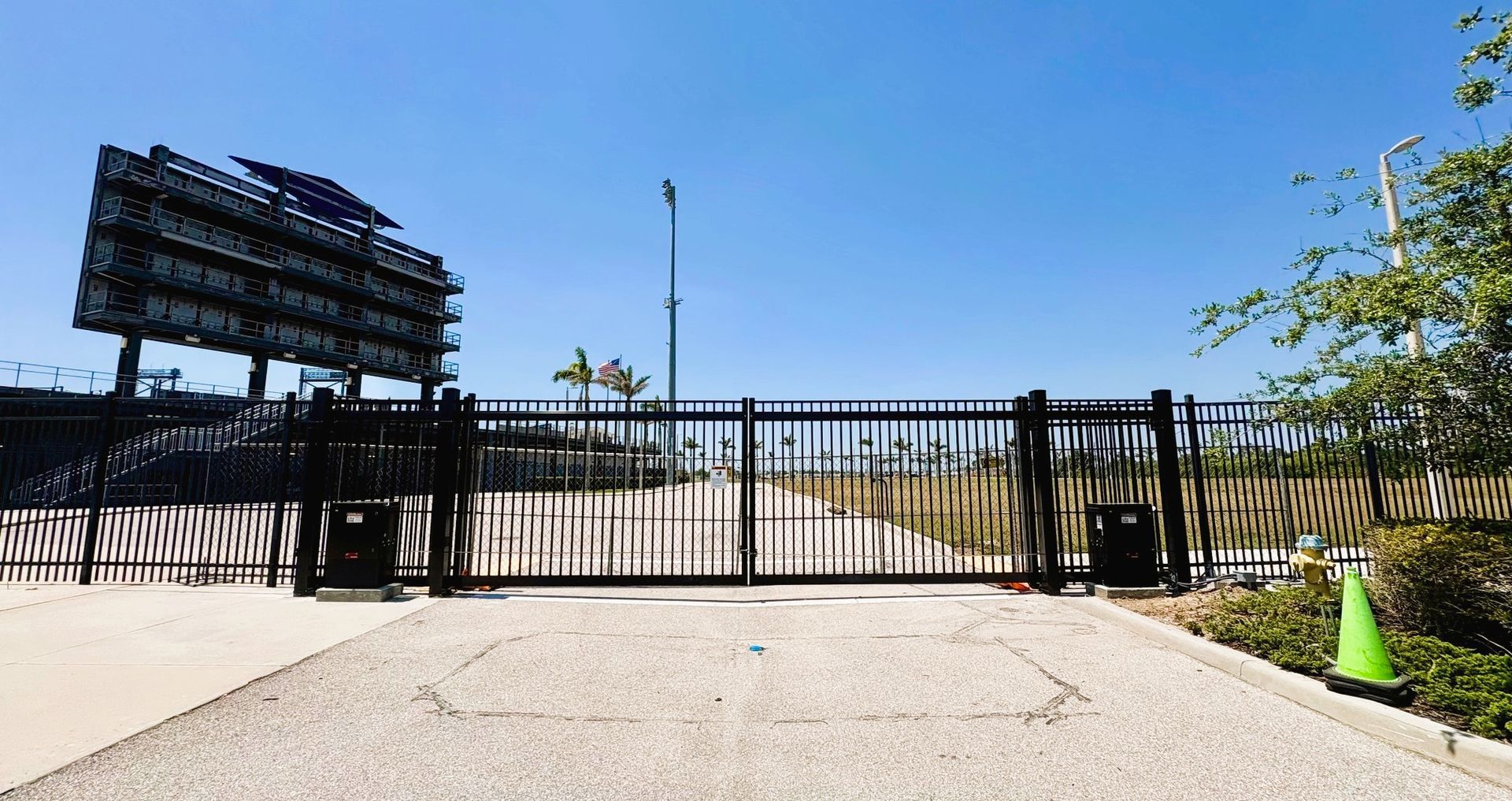
Securing modern business premises requires a sophisticated approach that balances physical accessibility with overall asset protection. Perimeter security serves as a vital component for enterprises seeking daily safety, workflow optimization, and long-term cost-effectiveness. Investing in commercial gates provides a comprehensive solution to these common operational challenges, ensuring a major financial and practical benefit for various properties.
The financial commitment required for these perimeter systems extends far beyond the initial purchase price, encompassing long-term operational advantages. With expanding security challenges facing modern organizations, leadership teams must carefully evaluate robust access control solutions to safeguard critical physical locations. Choosing commercial gates can help enterprises establish operational resilience while reducing overall vulnerability and liability.
Protecting Assets With Enhanced Security
Access management is a foundational element of modern corporate security design. Facilities utilize advanced entrance barriers to monitor exactly who enters and exits the property, ensuring only cleared individuals gain entry. These setups frequently incorporate sophisticated technologies such as security keypads or biometric verification tools. Tailored access rules ensure vital company property remains well protected.
Modern entrance barriers facilitate the execution of strict protection rules that synchronize seamlessly with existing network systems. For instance, connecting physical barriers with video monitoring software yields real-time notifications and detailed logs of all employee movements. This automated approach minimizes human oversight errors, allowing security teams to respond rapidly during unauthorized intrusions.
By installing commercial gates, organizations frequently qualify for reduced insurance policy rates. Insurance providers regularly extend premium discounts to commercial entities that proactively deploy risk mitigation strategies, including integrated perimeter systems. The presence of advanced protective infrastructure signals a lower risk profile to underwriters, creating substantial recurring financial savings while supporting workplace safety.
Elevating Brand Image and Commercial Aesthetics
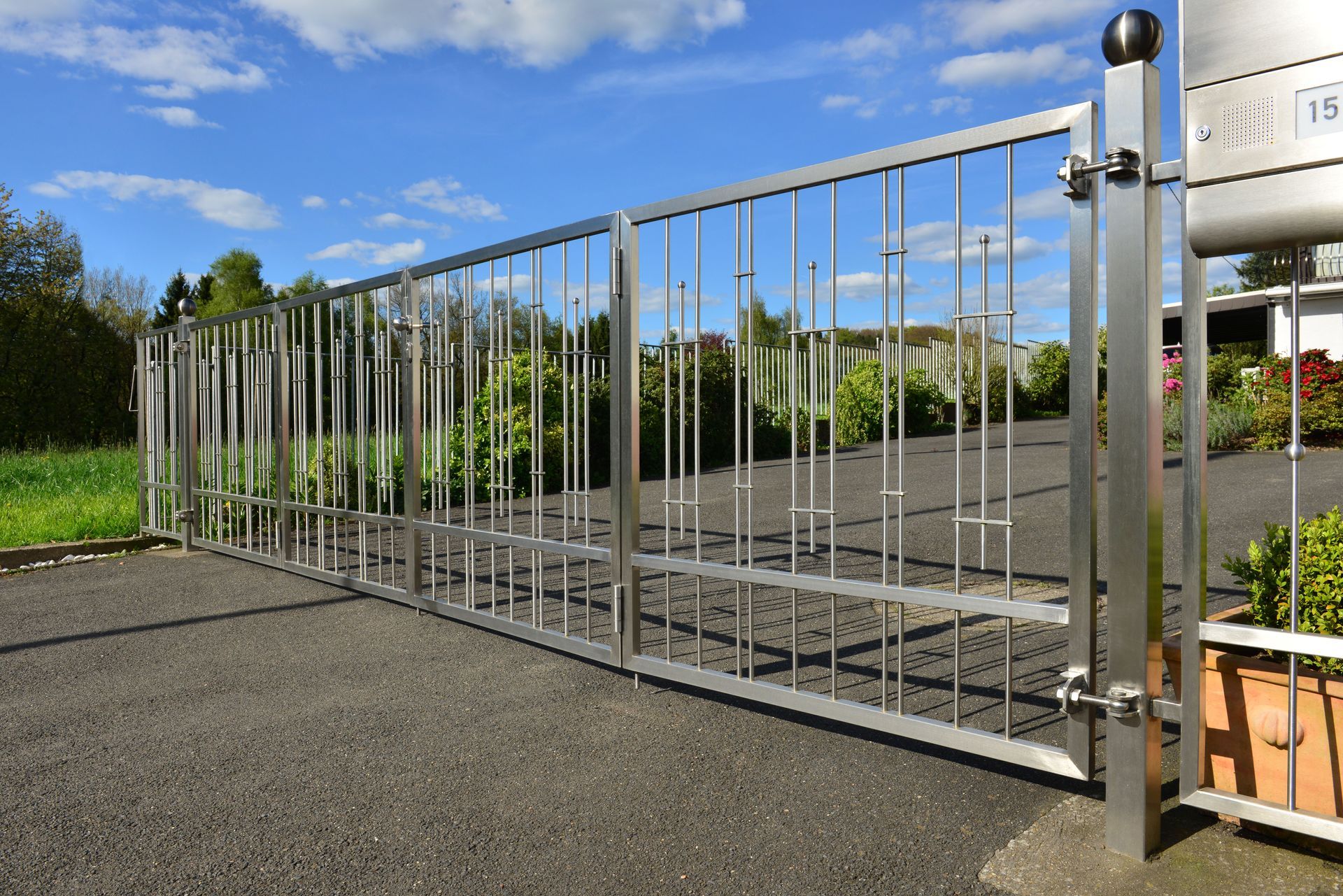
Physical security barriers are not solely utilitarian; they also play an essential role in shaping public perception. Discovering how commercial gates enhance aesthetic appeal allows corporate entities to select specialized layouts reflecting their unique corporate values. Custom configuration options covering color palettes and materials empower companies to showcase a cohesive corporate identity to visiting clients.
Material options and manufacturing quality further boost the overall potential to establish visually striking perimeter solutions. From traditional wrought iron to contemporary aluminum options, material selection conveys organizational strength, elegance, or modern innovation. These physical variations allow companies to communicate their market positioning through the specific properties of their physical infrastructure, increasing marketplace visibility.
Physical entry points serve as a primary physical branding mechanism. Because these structures represent the initial point of interaction for corporate guests, they must mirror core organizational standards. Integrating specific corporate details like company logos or signature colors directly into the framework layout strengthens client familiarity, driving client retention and deeper brand loyalty.
Optimizing Workflow and Operational Efficiency
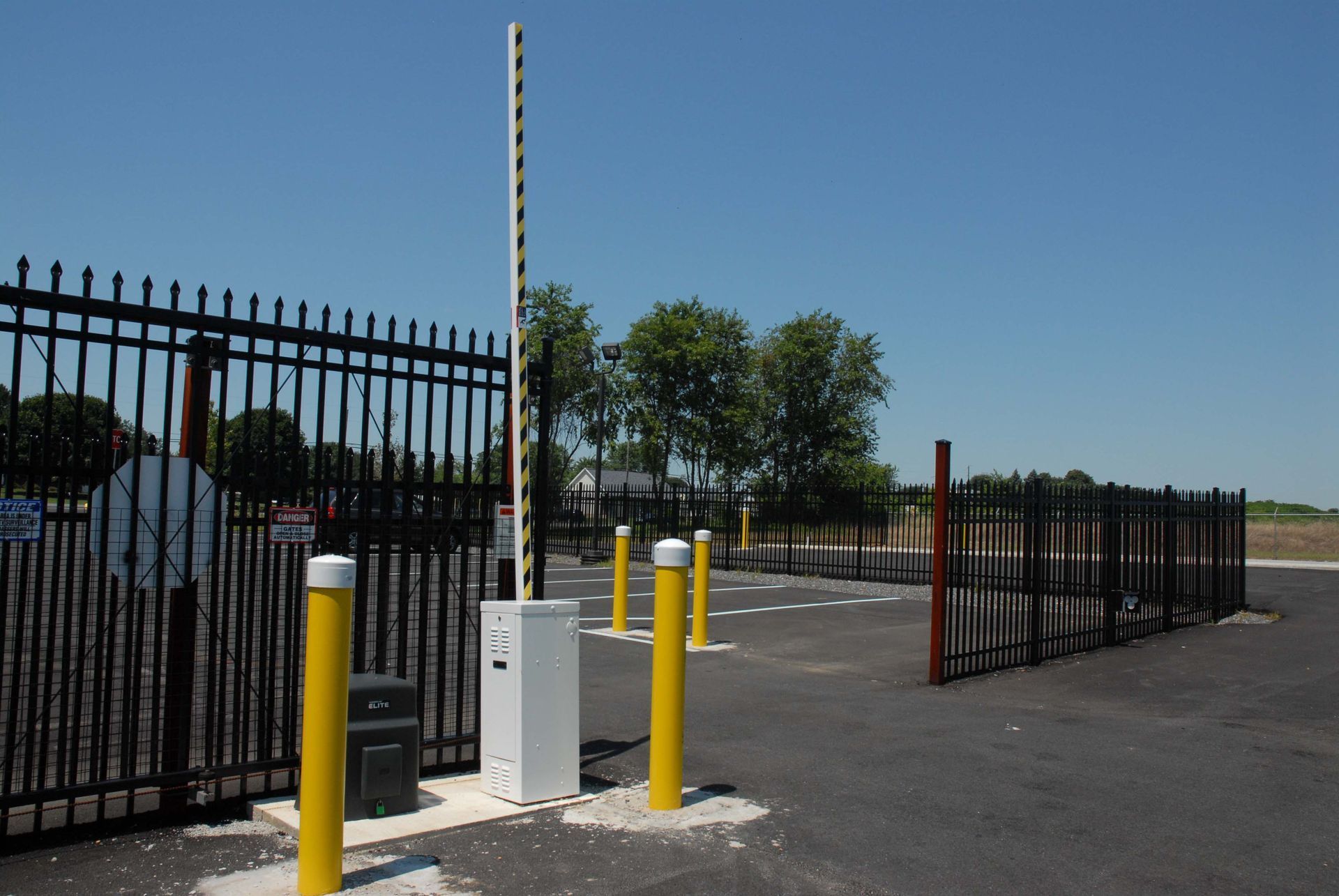
Automated functions within modern perimeter barriers have completely transformed how modern organizations supervise entry points. Automated commercial gates improve standard facility logistics by removing manual handling, which saves time and eliminates human operational errors. Incorporating features like remote activation and timed access schedules enables management to streamline daily facility entries smoothly, maximizing workplace productivity.
These advanced entrance technologies also improve shipping logistics, optimizing internal transportation movements within complex industrial yards. Barriers fitted with motion detectors or automated vehicle identification systems enable rapid transit, particularly in high-volume environments like distribution hubs. Minimizing traffic bottlenecks and maximizing vehicle throughput helps corporate entities maintain a steady, efficient movement of products.
Modern entry systems are engineered with heavy-duty durability and low maintenance as core structural attributes. Premium raw materials and advanced construction techniques ensure long-term structural integrity, requiring less upkeep than outdated tracking barriers. Opting for a rugged perimeter setup means fewer emergency repairs and lowered service expenses over the lifespan of the equipment.
Maximizing Financial Returns and Long-Term Value
Allocating capital toward specialized property entry solutions represents a sound financial move that delivers excellent long-term returns. Although the upfront procurement cost is notable, the continuous drop in property protection expenditures over time balances out this spending. Moreover, according to a report by HomeGuide, the expense of residential entry systems has surged by about 23% since 2023 because of escalating material outlays, staffing deficits, and a growing interest in domestic protection.
Energy conservation is another significant factor when businesses select their long-term property perimeter solutions. Implementing eco-friendly variations like solar-powered gate systems or low-voltage motors allows companies to lower overall power use, cutting operational utility bills. This dual advantage of financial conservation and environmental stewardship elevates corporate sustainability ratings, positively swaying investor relations.
Properly maintaining commercial gates offers companies a shield against unpredictable economic shifts that threaten long-term operational budgets. Adapting to fluctuating industry costs through strategic asset allocation allows commercial enterprises to stay agile and resilient against shifting market demands. Comprehensive knowledge of total procurement expenses assists management in securing better service agreements, ensuring maximum financial utility over time.
Ensuring Compliance and Meeting Regulatory Standards
Zoning regulations and municipal codes represent critical considerations for organizations planning to establish physical property borders. Setting up commercial gates requires strict adherence to local mandates governing structure height, physical styling, and setback placement to preserve community aesthetics. Violating municipal building codes triggers hefty compliance fines, legal penalties, or mandatory teardowns, which become exceptionally expensive.
Operational safety criteria and official product certifications are equally vital components that installers must address during physical setup. These standardized rules guarantee that automated entry systems operate safely for staff and guests, eliminating liability risks from mechanical issues. Businesses must confirm that their selected perimeter barriers fulfill industry safety benchmarks and undergo consistent maintenance reviews.
Environmental sustainability mandates are becoming increasingly prominent in regulatory frameworks governing modern commercial infrastructure development. Corporate entities are encouraged to adopt barrier systems that support global green initiatives, featuring recycled production components and energy-efficient operations. Oversight agencies frequently reward these eco-conscious building habits with corporate tax credits, giving organizations a double advantage of compliance and financial savings.
Reviewing Case Studies and Industry Applications
Within the fast-paced retail sector, specialized security entries have proven crucial for protecting inventory while improving visitor experiences. A major retail corporation deployed automated entry checkpoints and paired them with staff verification systems, which lowered product losses substantially. This integrated approach secured inventory storage zones while simplifying employee entry patterns, maximizing workforce efficiency.
In heavy industrial and manufacturing zones, rugged perimeter barriers play a fundamental role in locking down machinery and optimizing logistical flows. A large-scale production firm integrated automated security barriers, blending video tracking with automated access controls to enhance facility safety while reducing gatehouse labor expenses. These structures enabled an unhindered movement of incoming raw materials.
Technology firms and secure data centers face highly specialized protection requirements, making advanced perimeter systems central to their defense strategies. A prominent technology enterprise implemented reinforced security barriers to deter sophisticated intrusions, which quickly upgraded the entire property security certification level. Additionally, automated control programs permitted continuous remote tracking, ensuring superior facility defense.
Modern entry systems offer comprehensive financial returns by strengthening security, refining corporate workflows, and boosting property visual appeal. Organizations integrating commercial gates benefit from minimized asset losses, elevated real estate evaluations, and reduced commercial insurance costs. These systems also serve as vital brand management tools, providing versatile aesthetic features that mirror existing corporate visual guidelines.
The diverse advantages of deploying high-quality entrance solutions remain clear across various modern corporate applications and industrial landscapes. From advanced access protection and streamlined supply logistics to corporate branding and strict regulatory compliance, these systems represent indispensable operational assets. We invite you to contact us at Preferred Gate Systems today so we can design a security setup tailored to your organization's needs.