September 27, 2026
Selecting the proper entrance fixture for a residential driveway requires careful evaluation of structural integrity, long-term care requirements, architectural harmony, and financial boundaries. An entry point serves simultaneously as a physical barrier against unauthorized entry and an aesthetic centerpiece for the front landscape. Homeowners must balance visual expectations with long-term performance across different weather conditions. Material selection shapes not only the initial procurement and installation expenses but also dictates the maintenance commitments over decades of use. Evaluating available structural options allows property owners to select an entryway that complements their architectural aesthetic while providing reliable service.
The long-term value of a property entry depends heavily on how well its structural material handles daily operational stresses and environmental exposure. Factors such as regional precipitation, local climate shifts, total weight limitations, and desired security thresholds dictate which option best suits a specific site. Choosing a high-quality driveway gate involves comparing classic metals, traditional woods, and modern synthetic compounds to match long-term expectations. Analyzing the primary qualities, upkeep requirements, and physical traits of top materials helps clarify the selection process.
Assessing the Strength and Upkeep of Wrought Iron Options
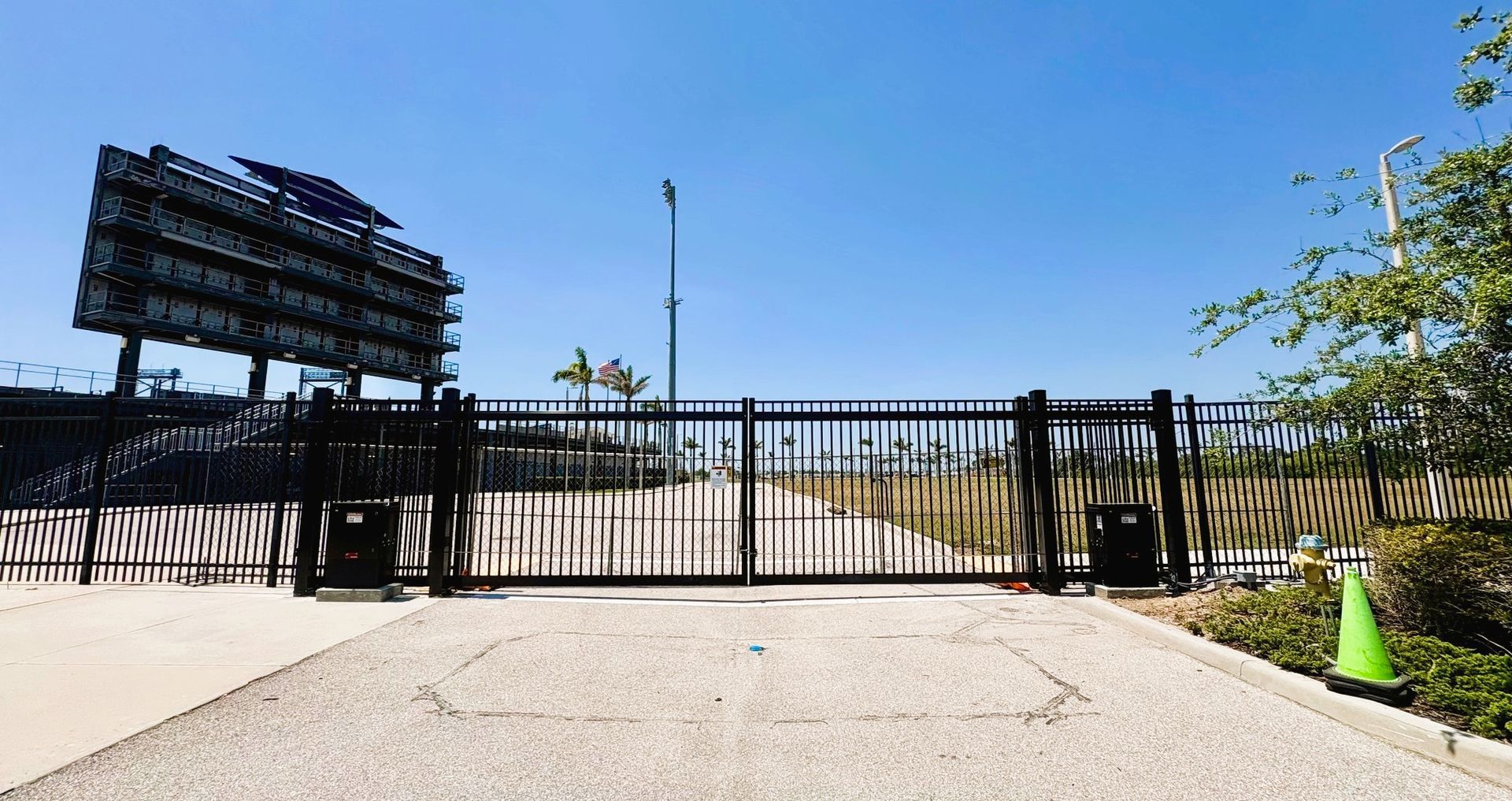
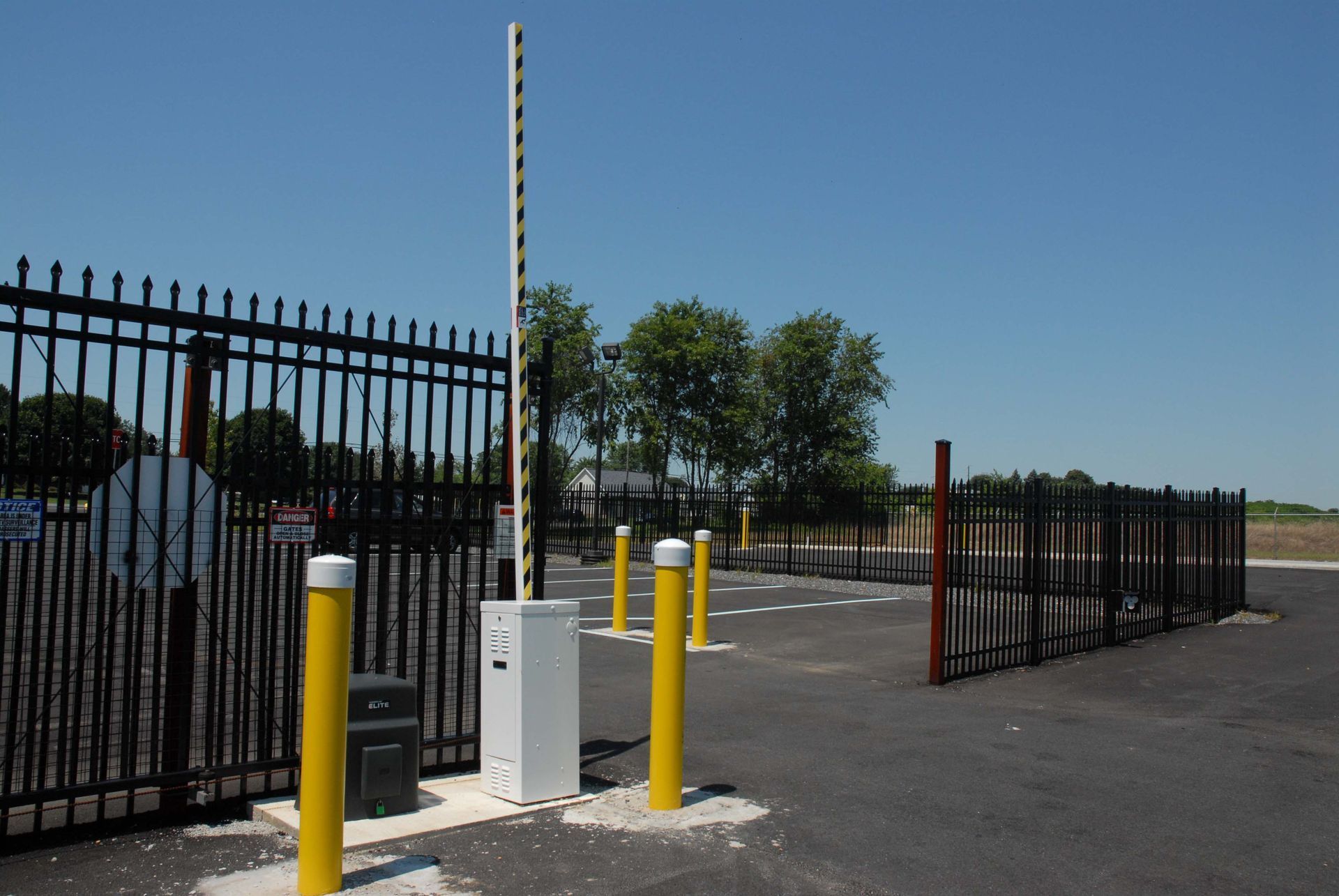
Wrought iron remains a leading selection for high-end properties due to its structural density, classic charm, and mechanical durability. The raw density of this heavy metal ensures high resistance to accidental vehicle impacts and intentional physical breaches, functioning as a sturdy defense for residential properties. According to HomeGuide, gate size is a primary driver of cost, with standard heights typically measuring 6 or 8 feet, making wrought iron a practical choice for those willing to invest in strength and security. Artisans can forge the heated metal into detailed floral motifs, customized geometric shapes, or classic vertical pickets, providing exceptional aesthetic freedom. Furthermore, the substantial mass of custom ironwork adds an undeniable presence of luxury and traditional craftsmanship to any front entrance.
Maintaining an iron entryway requires diligence to protect the metal surfaces from moisture and atmospheric oxygen. Microscopic gaps in protective paint can expose the underlying iron to moisture, initiating oxidation that quickly weakens structural integrity if left unchecked. Property owners must commit to periodic visual checks, spot treatments, and complete topcoat reapplications using high-grade rust inhibitors. While installation costs and maintenance demands run higher than lighter materials, the exceptional service life and structural integrity make iron a top choice for grand home entrances. Investing time in proactive rust prevention ensures that an ornate iron entry maintains its structural beauty and defensive strength across multiple generations.
Balancing Weight Efficiency and Rust Protection with Aluminum
Aluminum provides an appealing structural choice that eliminates corrosion risks while remaining light enough for automated mechanics. The natural forming of an oxide layer shields the underlying metal from rust, allowing aluminum entryways to maintain their strength in humid coastal regions or areas subject to heavy snowfall. Because aluminum weighs far less than iron or steel, it places significantly lower mechanical strain on hinges, support posts, and electrical opening devices, extending the lifespan of automated hardware systems. This reduced mechanical load also helps minimize long-term energy usage and prevents unnecessary wear on power openers.
The structural lightness of aluminum makes transportation and site assembly easier, helping reduce initial labor and hardware requirements. Modern manufacturing processes allow aluminum profiles to be powder-coated in various colors, textures, and finishes that mimic heavier forged metals or painted wood surfaces. Aluminum lacks the extreme impact resistance of dense structural steel, making it slightly more vulnerable to heavy force. However, its complete immunity to rust, low maintenance needs, and design flexibility make it a practical choice for modern homes. Homeowners seeking a hassle-free, long-lasting barrier frequently select high-grade aluminum for its exceptional resilience against severe rainfall and humidity.
Securing High-Impact Resistance and Structural Rigidity Through Steel
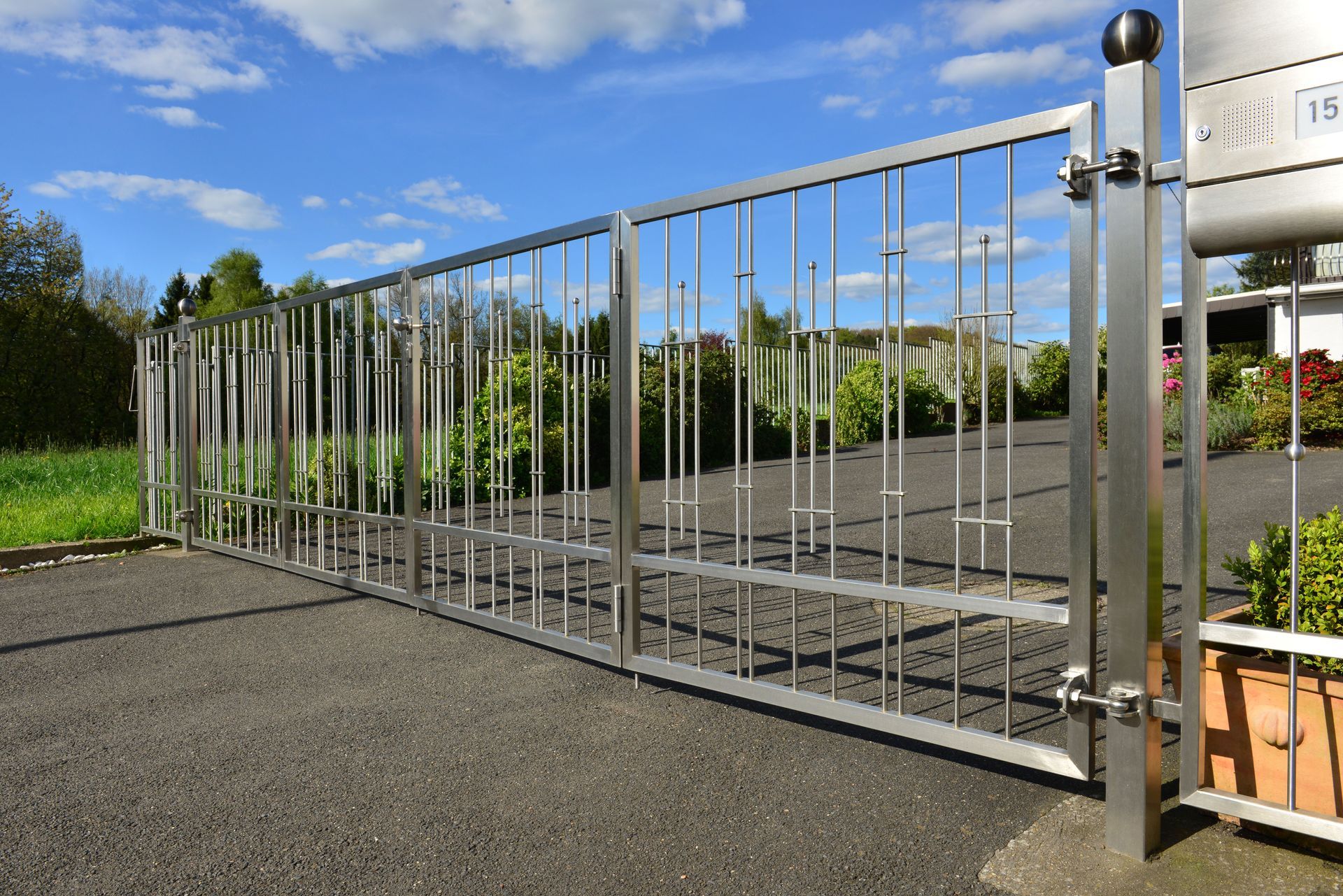
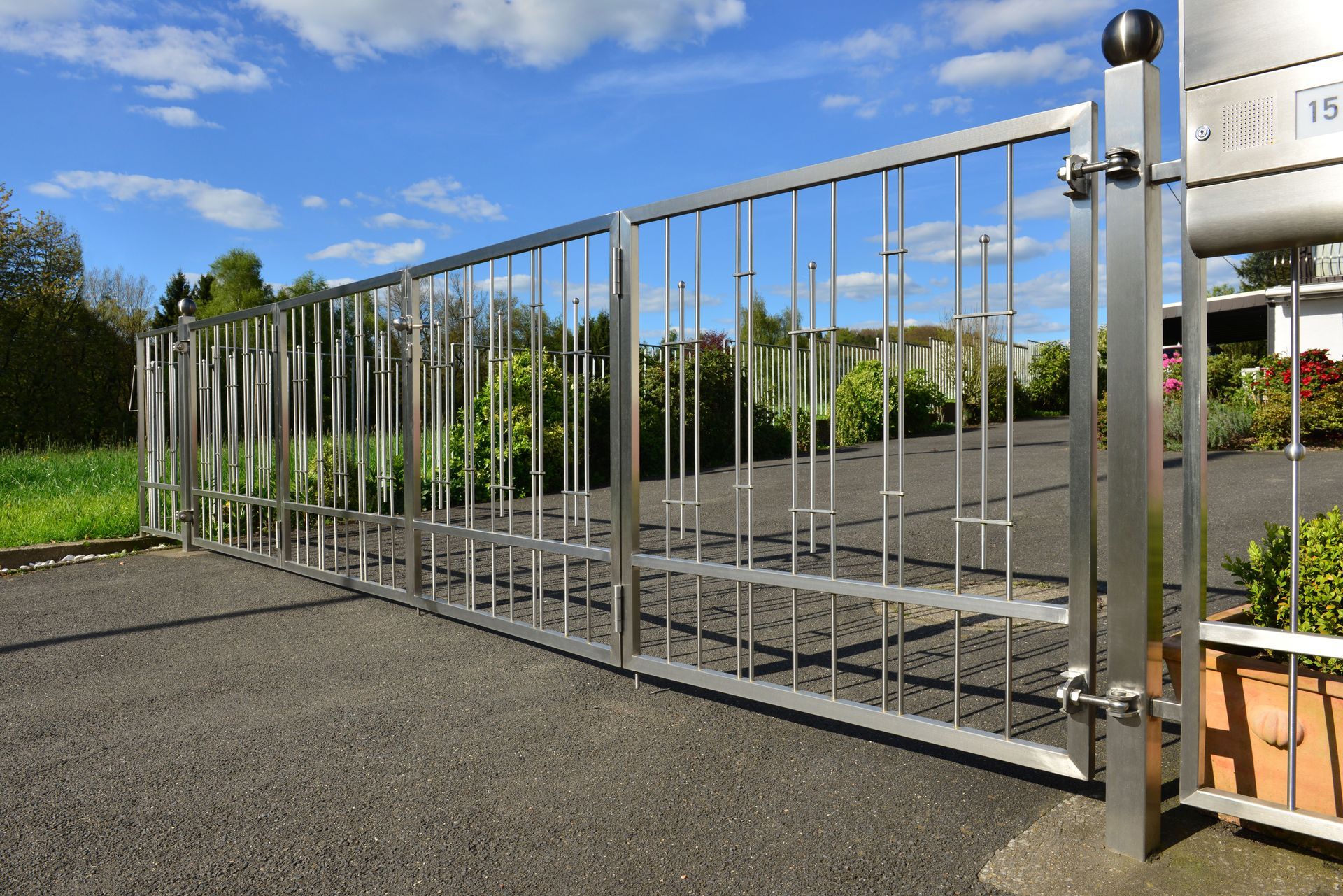
Heavy gauge steel provides maximum physical security, making it ideal for large boundary openings or high-security properties. Steel structures maintain structural rigidity across wide driveways, avoiding the sagging or frame warpage that can affect softer or lighter materials over time. Fabricators can construct heavy steel entrances using tubular hollow profiles or solid bars, offering flexibility across minimalist modern patterns, traditional grid designs, or heavy privacy panels. Its immense load-bearing capacity makes steel particularly effective for wider residential spans requiring heavy-duty automated hardware.
Protecting steel from environmental damage requires continuous surface care and specialized coatings. Hot-dip galvanization coats the metal in liquid zinc, providing essential internal and external rust protection against harsh weather conditions. Despite protective treatments, outdoor steel requires routine repainting and surface sealing to shield vulnerable welds and joints from moisture penetration. A properly sealed steel driveway gate provides exceptional defense and reliable operational stability across decades of continuous service. When paired with high-performance protective primers, structural steel withstands the test of time while keeping your residential perimeter fully secured.
Evaluating Natural Wood Aesthetics against Weather Exposure Risks
Wood entryways offer a warm, natural look that blends smoothly with classic, rural, or natural landscape designs. Dense hardwoods like teak, ipe, and mahogany offer high natural resistance to decay, while softwoods like cedar and redwood rely on organic oils to resist moisture absorption. Craftsmen can shape lumber into a complete solid-panel privacy driveway gate, traditional open-picket designs, or framed horizontal slat layouts, providing clear design versatility. Selecting custom timber allows property owners to precisely match the exterior siding, deck stain, or natural wood accents of their primary residence.
Wood demands consistent, protective upkeep to prevent severe environmental degradation over time. Unprotected lumber absorbs ambient moisture, triggering board expansion, structural twisting, surface cracking, and fungal rot that compromise functionality. Homeowners must regularly apply water-repellent stains, protective sealers, or high-grade exterior paints to safeguard the wood frame against UV rays and rainwater. Despite high upkeep demands, wood remains popular for property owners seeking authentic natural beauty and rustic charm. Committing to a consistent schedule of sanding and resealing will keep a natural timber structure looking fresh and vibrant despite constant outdoor exposure.
Combining Modern Synthetics and Composites for Low-Upkeep Barriers
Polyvinyl chloride and composite blends provide modern alternatives engineered specifically to withstand heavy outdoor exposure without constant surface treatments. PVC structures are fully waterproof, completely immune to insect damage, and do not rot, split, or require topcoat repainting. Composite materials combine recycled wood fibers with synthetic resins, creating dense panels that capture the visual depth of natural lumber without the associated swelling, shrinking, or decay. These innovative synthetic products give homeowners a clean, modern aesthetic that stays vibrant without continuous physical maintenance.
Synthetics and composite blends clean easily using standard water sprays or mild detergents, making them ideal for busy homeowners who prefer minimal maintenance on their driveway gate. While lightweight vinyl lacks the heavy impact resistance of steel or dense iron, composite panels offer high structural density and strong impact protection. Powder-coated metal framing mixed with composite infill panels delivers an excellent balance of high physical security, modern visual privacy, and minimal maintenance needs. These low-maintenance synthetic options provide long-lasting, attractive entryways that eliminate the constant upkeep costs of conventional wood or iron options.
Selecting the Right Installation Solution for Your Entryway
Choosing the right material for an entry feature requires carefully weighing long-term maintenance, initial costs, structural durability, and architectural harmony. Metal options deliver high impact resistance and strong property boundaries, while synthetic alternatives provide attractive, low-upkeep solutions that withstand severe weather. Wood entryways offer rich natural textures, provided the owner remains committed to routine surface sealing and protective care.
Partnering with an experienced team ensures your custom entryway is engineered for maximum performance, reliable operation, and long-term durability. Preferred Gate Systems offers custom design guidance, specialized site evaluations, and professional fitting services tailored to your property's specific physical needs. Contact us today to schedule your design consultation, explore top-tier material options, and install a custom driveway gate that enhances your entrance for years to come. Our dedicated installation experts work closely with you throughout the entire planning process to ensure every detail matches your security expectations and aesthetic vision.