February 4, 2026
Choosing the right entryway for your property is about far more than curb appeal-it affects security, convenience, accessibility, and even long-term maintenance costs. Homeowners and business owners alike often weigh the pros and cons of sliding versus swing designs when selecting driveway gates, trying to balance architectural style with performance, site conditions, and daily usability. From tight urban lots to sprawling rural properties, the layout of a driveway, the slope of the terrain, and the type of vehicles entering the property all influence which system will work best.
In addition, factors such as automation features, climate exposure, privacy needs, and overall budget play major roles in shaping the final decision. A well-chosen gate can enhance property value, streamline access for residents and guests, and create a strong first impression before anyone even reaches the front door. With thoughtful planning and professional guidance, the right choice can elevate your property’s look while improving everyday access and peace of mind.
Compare Mechanics And Functionality
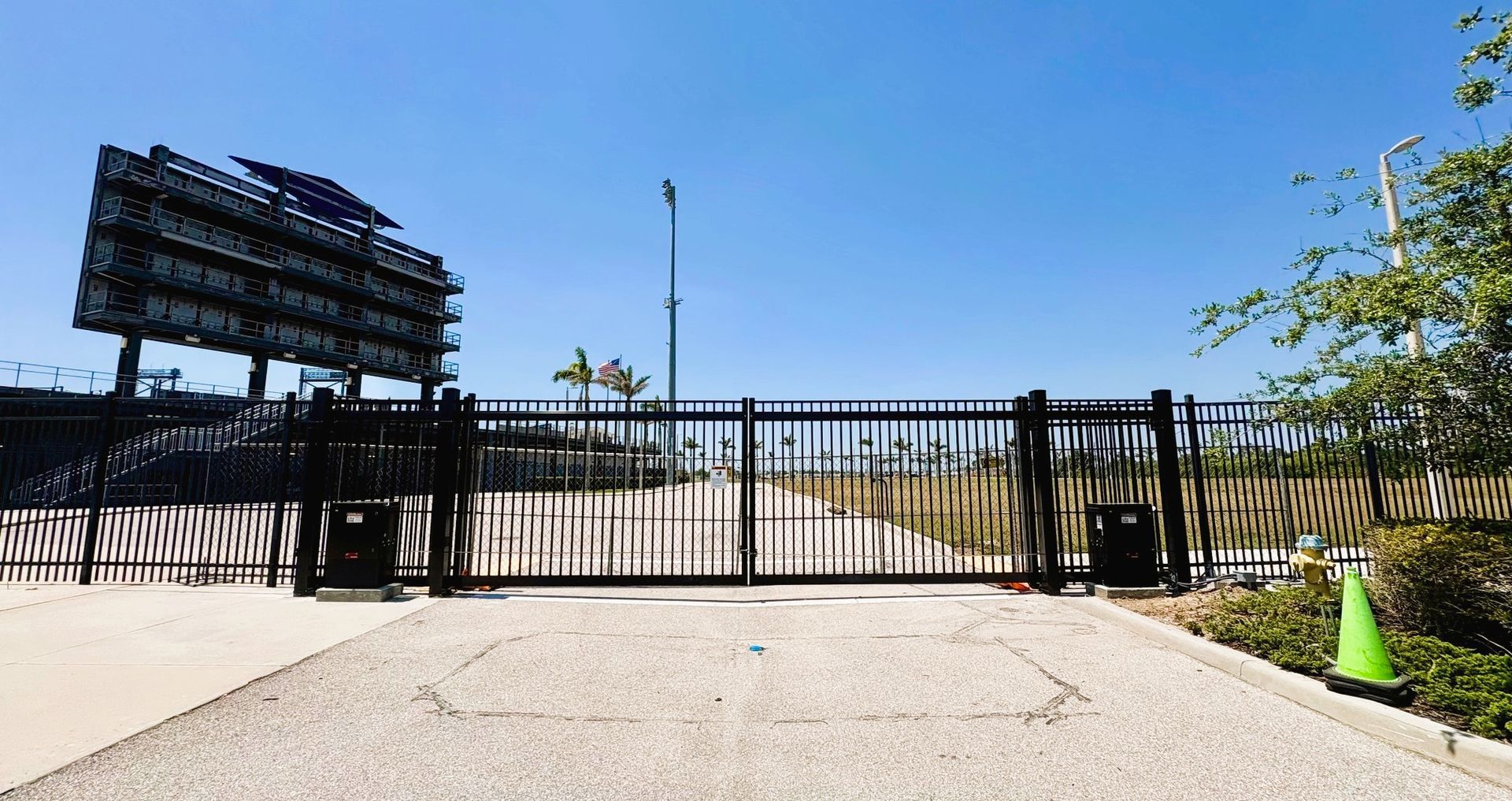
Sliding systems move horizontally along a track or cantilever structure, making them ideal for sites where space inside the driveway is limited. Because they do not swing inward or outward, they can operate efficiently on sloped or narrow approaches, provided the side clearance is available. According to Bob Vila, typically, a driveway gate will range in size from about 10 feet for standard driveways to 18 feet for extra-wide entrances that can accommodate RVs, animal trailers, and agricultural equipment, which makes proper measurement and layout essential before installation. This flexibility in width allows property owners to accommodate a wide range of vehicle types without sacrificing functionality or safety.
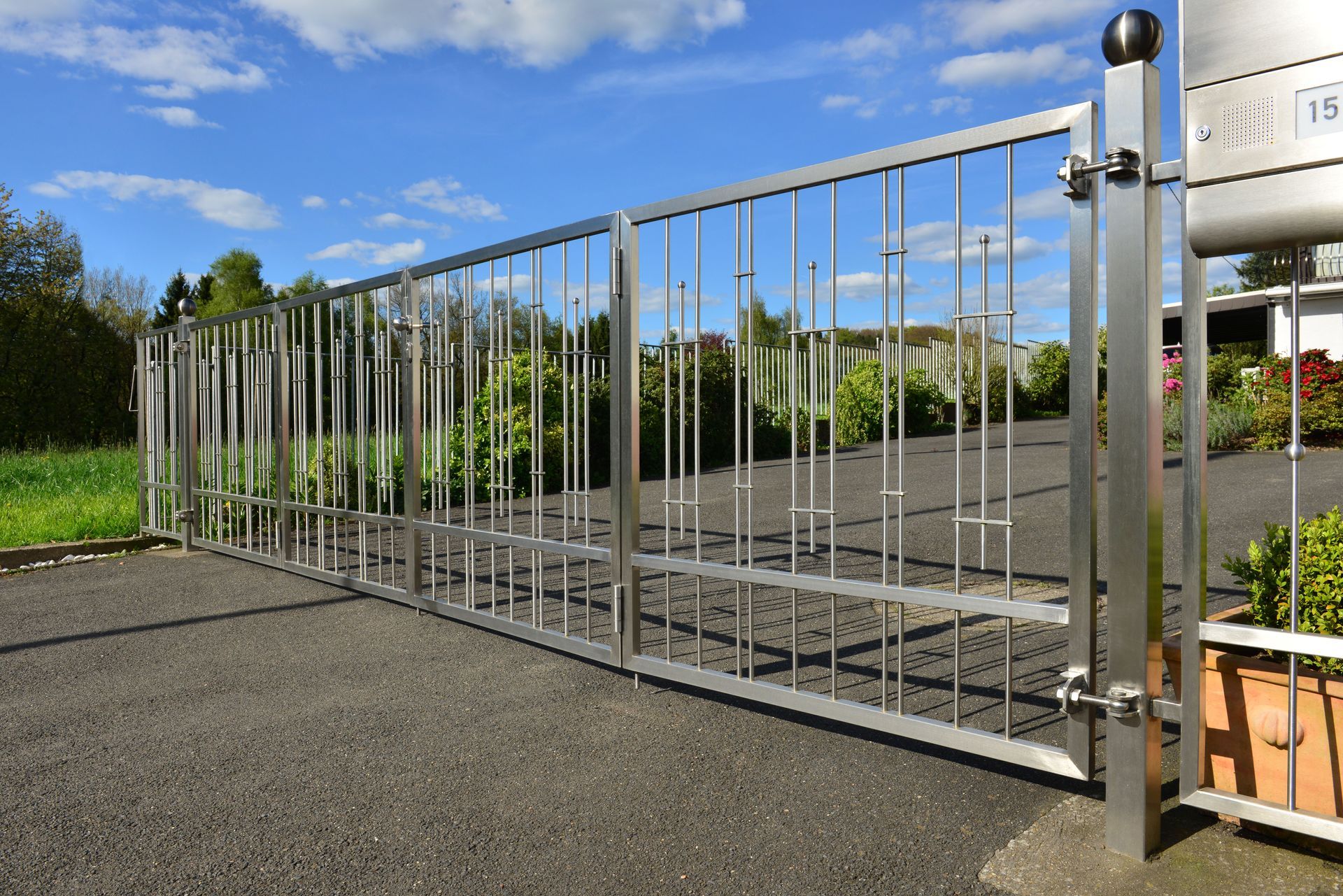
Swing designs, on the other hand, open on hinges much like traditional doors and require unobstructed clearance for their arc of motion. They tend to be mechanically simpler, relying on sturdy posts and balanced leaves to ensure smooth operation over time. Automation can be added to both styles, with sliding motors driving lateral movement and swing operators pushing or pulling the panels along their path, often integrated with smartphone apps or keypad systems for added convenience. This adaptability allows homeowners to enjoy modern technology regardless of which gate style best suits their property layout.
Evaluate Aesthetic And Design Options
From a visual standpoint, sliding designs are often associated with sleek, contemporary architecture. Their low-profile movement keeps sightlines open and allows landscaping or stonework to remain the star of the show. Materials such as aluminum, steel, composite panels, or horizontal wood slats can be combined to create a refined, modern statement that blends seamlessly with newer builds. These streamlined installations often appeal to property owners seeking a clean, understated look that still delivers visual impact.
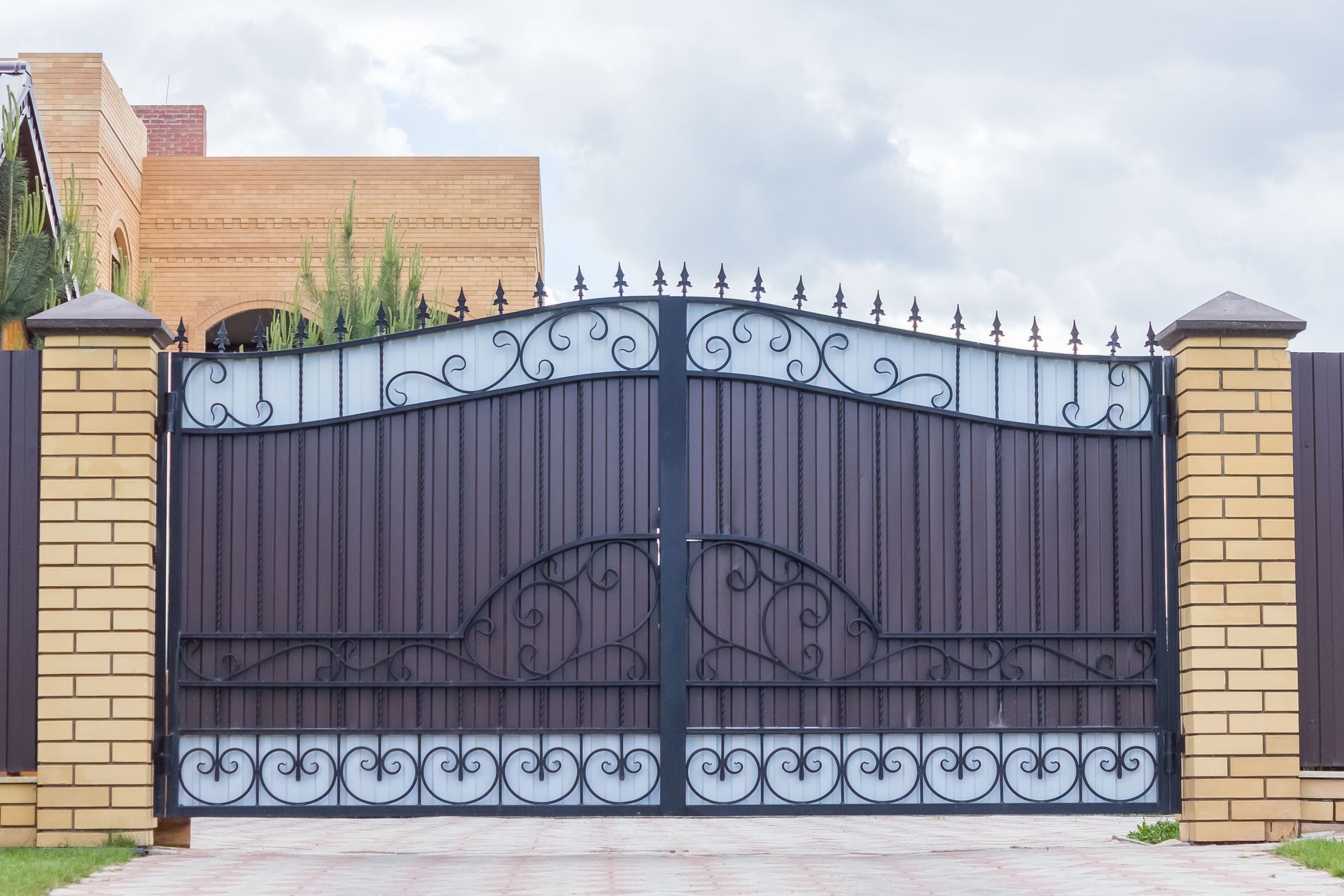
Swing designs are prized for their versatility and timeless appeal, fitting just as well in Mediterranean-style estates as in classic suburban neighborhoods. Decorative iron scrollwork, arched tops, or wide wooden planks can all be used to craft a grand entrance that feels welcoming yet substantial. When thoughtfully customized, driveway gates of either style can become focal points that elevate the entire frontage of a property. The ability to tailor proportions and decorative details gives owners tremendous creative control over their entryway’s final appearance.
Analyze Security And Privacy Features
Security is often a top priority, and both sliding and swing options can be engineered for robust protection. Sliding systems typically sit tightly within their guides when closed, which can deter forced entry, especially when paired with reinforced frames and anti-lift mechanisms. Swing systems rely on heavy-duty hinges, posts set deep in concrete, and properly aligned locking hardware to maintain strength and reliability. In both cases, structural integrity plays a crucial role in resisting tampering and long-term wear.
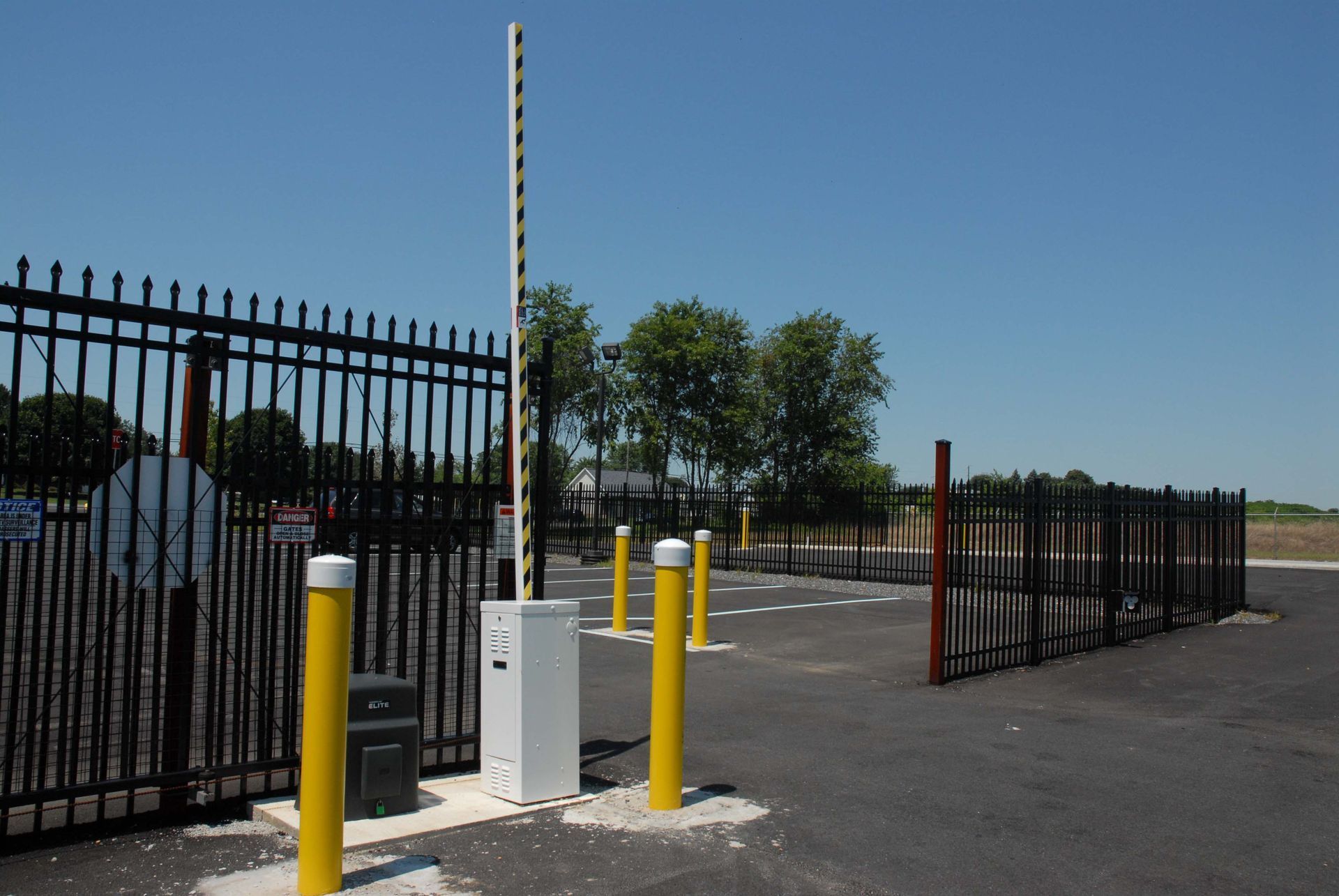
Modern locking solutions range from magnetic locks and deadbolts to fully automated systems tied into home security networks. Access controls such as keypads, RFID cards, and even biometric scanners can be added for layered protection, while cameras and motion-activated lighting further enhance deterrence. With the right configuration, driveway gates can provide both a physical barrier and a smart, monitored entry point. These combined features give property owners greater visibility and control over who enters their premises.
Review Cost And Long-Term Value
Initial pricing varies widely depending on materials, size, automation, and site conditions. Sliding configurations often come with higher upfront costs because of their tracks, rollers, and motors, while swing installations may be more budget-friendly at first but still climb in price with premium finishes or decorative detailing. Professional installation is a significant factor in either case, as precise alignment and stable foundations are essential for smooth, long-lasting operation. Obtaining detailed estimates ahead of time helps property owners avoid surprises and plan their investment wisely.
Long-term expenses should also be considered, including routine servicing, lubrication, debris removal from tracks, and occasional part replacements. Over time, well-maintained driveway gates can add tangible value to a property by improving security, aesthetics, and buyer appeal. Warranties and service plans further protect that investment, offering peace of mind and predictable maintenance costs for years to come. These protections often prove invaluable when unexpected repairs or component failures arise.
Consider Environmental And Climate Factors
Local weather plays a major role in determining which style performs best. Sliding systems in colder regions may need extra attention to keep tracks free of snow or gravel, while coastal or humid climates call for corrosion-resistant metals and protective coatings. Swing designs can be affected by high winds or moisture around hinge points, making material choice and finishing techniques especially important. Factoring in regional weather patterns during planning helps prevent premature wear and operational issues.
Aluminum and galvanized steel resist rust when properly treated, while sealed hardwoods and composite materials offer durability with lower upkeep. Energy-efficient automation, including low-power motors and solar-assisted operators, can reduce operating costs and environmental impact. Thoughtful planning ensures driveway gates remain functional and attractive despite seasonal challenges. These measures also extend system lifespan while supporting sustainability goals.
Enhance User Experience And Daily Convenience
Ease of use is where automation truly shines. Sliding systems glide open at the push of a button, and swing panels can move effortlessly with modern operators calibrated for smooth starts and stops. Remote controls, smartphone apps, and voice-activated assistants all contribute to a streamlined daily routine, particularly helpful during late nights or heavy rain. Such conveniences significantly reduce the stress of entering or exiting the property during busy or unpredictable moments.
Accessibility is another important factor, especially for households with mobility concerns or frequent visitors. Wide openings, responsive controls, and quiet motors make entry simple and comfortable for everyone. When carefully designed,
driveway gates
become less of an obstacle and more of an integrated feature that quietly improves everyday life. This focus on user-centered design ensures long-term satisfaction for both residents and guests alike.
In the end, the decision between sliding and swing styles comes down to space constraints, architectural preferences, climate conditions, and budget goals. Both options offer compelling advantages, from modern efficiency to classic charm, and both can be outfitted with advanced security and automation features. For property owners in Sarasota County and the surrounding areas, having a knowledgeable professional assess the site makes all the difference. If you are ready to upgrade or need emergency repairs at any hour, reach out to Preferred Gate Systems today-we specialize in residential and commercial installation, repair, and maintenance, and our team is available 24/7 to help you protect and enhance your property with confidence.